
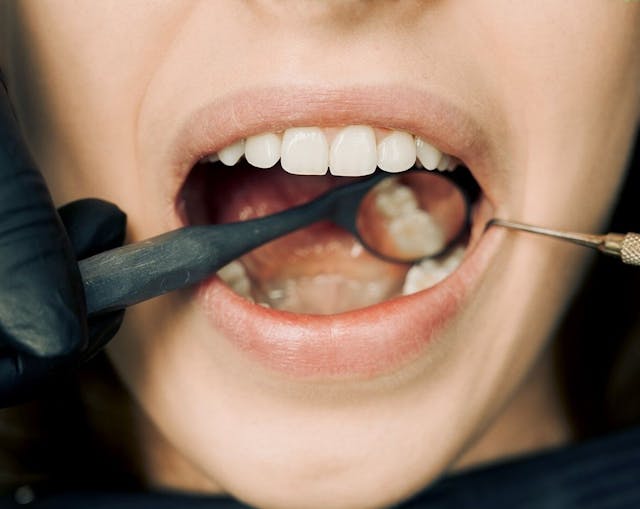
Here’s the reality: dental deep root cleaning in Sea Girt, NJ doesn’t have to derail your entire week. With proper planning and smart recovery strategies, you can maintain your professional commitments while prioritizing your oral health. Let me show you exactly how to navigate this process without missing a beat.
What Exactly Happens During Deep Root Cleaning?
Deep cleaning goes far beyond your regular dental appointments. This procedure—technically called scaling and root planning addresses bacterial buildup below your gum line that standard cleanings can’t reach.
Your gum cleaning dentist in Sea Girt, NJ uses specialized instruments to remove hardened tartar from tooth roots. The process happens in two stages. First, we scale away plaque and calculus deposits. Then we smooth rough spots on roots where bacteria tend to collect.
Most patients need treatment in quadrants. We typically address one or two sections per visit. This approach makes the procedure more manageable and allows you to schedule around important work commitments.
Local anesthesia keeps you comfortable throughout the process. You’ll feel pressure but not pain. The entire session usually takes 45-90 minutes depending on how much treatment you need.
Understanding what happens helps reduce anxiety. Knowledge is power, especially when you’re juggling a demanding career and necessary medical care.
How Much Time Should I Block Off Work?
The honest answer? You probably don’t need to take the whole day off.
Most professionals schedule deep cleaning appointments early morning or late afternoon. This timing lets you attend the procedure without significantly disrupting your workday. Plan to block about 2-3 hours total including travel time.
Your mouth will be numb for 2-4 hours after the appointment. This affects speaking clearly, which matters if you have client meetings or presentations scheduled. Phone calls become challenging when you can’t enunciate properly.
Consider these scheduling strategies:
- Book first appointment of the day, then work from home until numbness wears off
- Schedule during lunch break if your office is nearby
- Choose Friday appointments so weekend recovery doesn’t interfere with work
- Plan procedures before lighter workdays when possible
- Avoid scheduling before major presentations or client meetings
We’ve worked with countless executives, attorneys, and business owners. They typically return to desk work the same day. Physical jobs requiring heavy lifting might need more consideration.
Your general dentistry Sea Girt, NJ provider can offer specific timing advice based on your procedure’s extent. Don’t hesitate to discuss your schedule constraints openly.
What Discomfort Should I Actually Expect?
Let’s talk honestly about recovery. You need realistic expectations to plan effectively around your professional obligations.
Sensitivity is the most common complaint after deep teeth cleaning in Sea Girt, NJ. Your teeth may feel tender to hot, cold, or sweet foods for several days. This happens because we’ve removed protective tartar buildup, temporarily exposing sensitive areas.
Some gum soreness is normal. Your gums have been thoroughly cleaned and may feel irritated. Think of it like the soreness after a really good dental flossing session, but amplified. The discomfort peaks within 24-48 hours, then gradually improves.
Bleeding is another common occurrence. You might notice pink when brushing or rinsing for a few days. This indicates healing, not problems. However, excessive bleeding requires contacting your dentist immediately.
Most professionals manage discomfort with over-the-counter pain relievers. Ibuprofen works particularly well because it reduces both pain and inflammation. Take medication proactively before numbness wears off for smoother recovery.
Severe pain isn’t normal. If you experience intense discomfort that doesn’t respond to medication, contact your general DDS in Sea Girt, NJ right away. This could indicate infection or other complications needing prompt attention.
Can I Eat Normally After the Procedure?
Your diet definitely needs temporary adjustments. But don’t worry—you won’t starve or survive on broth alone.
Stick to soft foods for the first 24-48 hours. Your gums need time to heal without additional irritation from crunchy or hard items. Think strategically about meals that satisfy while staying gentle.
Smart food choices include:
- Smoothies packed with protein and nutrients
- Scrambled eggs or soft omelets
- Oatmeal or cream of wheat
- Mashed potatoes or sweet potatoes
- Yogurt and cottage cheese
- Pasta with soft-cooked vegetables
- Soups (not too hot initially)
- Soft fish like salmon or tilapia
Avoid these troublemakers:
- Crunchy chips, crackers, or raw vegetables
- Hard bread or bagels
- Popcorn or nuts
- Sticky candies or caramel
- Extremely hot beverages or foods
- Spicy foods that irritate healing gums
- Alcohol (interferes with healing and pain medication)
Room temperature or cool foods feel better than hot items initially. Cold smoothies or ice cream actually provide relief for sore gums. Just avoid anything acidic like citrus that might sting.
Plan ahead by grocery shopping before your appointment. Stock your fridge with easy, nutritious options. Busy professionals often skip this step, then struggle finding appropriate foods while dealing with discomfort.
How Do I Manage Oral Hygiene During Recovery?
Maintaining cleanliness is crucial for healing. But you’ll need to modify your normal routine temporarily.
Avoid brushing treated areas for 24 hours after the procedure. This gives gums initial healing time without disruption. After 24 hours, resume gentle brushing with an ultra-soft toothbrush.
Your periodontal dentistry Sea Girt, NJ specialist will provide specific instructions. Follow them precisely for optimal healing. General guidelines typically include these approaches.
Use the right brushing technique. Gentle circular motions work better than aggressive scrubbing. Position bristles at a 45-degree angle toward the gum line. Let the brush do the work—pressure isn’t necessary.
Flossing requires extra care. Be extremely gentle in treated areas. If flossing causes significant discomfort or bleeding, skip it temporarily and use alternatives like water flossers or oral irrigators instead.
Saltwater rinses accelerate healing naturally. Mix one teaspoon of salt in eight ounces of warm water. Swish gently 2-3 times daily, especially after meals. This reduces inflammation and keeps the area clean.
Your dentist might prescribe special antimicrobial rinses. Use them exactly as directed. These prescription rinses are more powerful than over-the-counter options and specifically target healing after deep cleaning procedures.
What Pain Management Strategies Work Best?
Proactive pain management keeps you comfortable and productive. Don’t wait until you’re miserable to address discomfort.
Take pain medication before the anesthesia wears off. This prevents pain from intensifying. Staying ahead of discomfort is easier than trying to reduce severe pain once it starts.
Ibuprofen (Advil, Motrin) typically works best. It reduces both pain and inflammation. Take 400-600mg every 6 hours as needed. Always follow label directions and don’t exceed recommended dosages.
Some patients alternate ibuprofen and acetaminophen (Tylenol) for better relief. This combination targets pain through different mechanisms. Take ibuprofen at noon, acetaminophen at 3pm, ibuprofen again at 6pm, and so on.
Ice packs provide additional relief. Apply to your cheek near treated areas for 15 minutes at a time. Wait at least 30 minutes between applications. Ice reduces swelling and numbs discomfort.
Natural remedies complement medication. Clove oil has natural analgesic properties. Apply a tiny amount to sore gums with a cotton swab. Chamomile tea bags (cooled) pressed against gums also soothe inflammation.
Sleep with your head elevated. Use an extra pillow to keep your head above heart level. This reduces blood flow to the area, minimizing swelling and throbbing sensations that might wake you at night.
When Can I Return to Normal Activities?
Most professionals resume desk work immediately. Physical activities require more careful planning depending on intensity.
Light office work is fine the same day. Computer work, phone calls (once numbness subsides), and meetings generally pose no problems. You might want to keep video cameras off if you’re self-conscious about any facial swelling.
Vigorous exercise should wait 24-48 hours. Elevated heart rate increases blood flow to healing gums, potentially causing bleeding or prolonged recovery. Your body needs energy for healing, not intense workouts.
Postpone these activities temporarily:
- Heavy weightlifting or strength training
- Running or high-intensity cardio
- Contact sports or activities risking facial impact
- Swimming (chlorine can irritate healing tissue)
- Hot yoga (excessive heat affects healing)
Gentle walking is perfectly fine. Light stretching poses no problems. Listen to your body and don’t push through significant discomfort.
Business travel deserves special consideration. If you have flights scheduled, ensure you have pain medication accessible. Cabin pressure changes might temporarily increase sensitivity. Pack soft, nutritious snacks since airport food options may not suit your dietary needs.
Your gum dentist in Sea Girt, NJ can provide clearance for specific activities if you have concerns. We’d rather answer preventive questions than treat complications from premature activity resumption.
Should I Modify My Work Schedule?
Strategic scheduling makes recovery smoother without sacrificing professional responsibilities.
Consider splitting your deep cleaning into multiple appointments. Treating one quadrant at a time means less recovery impact per session. Yes, this requires more appointments, but each recovery period is shorter and milder.
Remote work offers significant advantages. If your job allows it, working from home the day of your procedure eliminates commute stress. You can rest between tasks and access comfortable recovery tools easily.
Schedule procedures before long weekends when possible. This gives you extra recovery time without using paid time off. Friday appointments followed by a weekend mean you’re fully recovered by Monday morning.
Communicate wisely with your team. You don’t need to share medical details, but letting colleagues know you may be less available by phone for a few hours helps manage expectations. Most people appreciate transparency.
Important meetings and presentations should be rescheduled. While you can technically attend, reduced comfort and potential speaking difficulties affect your performance. Your professional reputation matters—present your best self.
Block lighter work for the afternoon after treatment. Save routine tasks like email, documentation, or research for recovery days. Reserve client-facing work and high-stakes projects for when you’re operating at full capacity.
How Long Until I Feel Completely Normal?
Complete recovery varies by individual, but most professionals feel back to normal within 3-5 days.
Sensitivity typically decreases significantly after 48 hours. By day three or four, you can eat most foods comfortably again. Some lingering sensitivity to extreme temperatures may persist for 1-2 weeks.
Gum healing progresses quickly initially, then gradually. Visible improvement appears within days. Complete healing takes several weeks, but you won’t notice most of this process. The initial discomfort resolves much faster than full tissue recovery.
Your perio dental team schedules follow-up appointments to monitor healing. We check that gums are responding well and address any concerns. These visits typically occur 2-4 weeks after treatment.
Some factors affect recovery speed:
- Your overall health and immune function
- How extensively you needed treatment
- How well you follow aftercare instructions
- Whether you smoke (smoking dramatically slows healing)
- Your age and natural healing capacity
Complications are rare but happen occasionally. Contact your dentist gum provider immediately if you experience severe pain, excessive bleeding, fever, or swelling that worsens after 48 hours. These symptoms might indicate infection requiring prompt treatment.
Most busy professionals find recovery much easier than anticipated. With proper preparation and realistic expectations, you’ll navigate this necessary procedure without major disruption to your career or lifestyle.
Take Control of Your Oral Health Today
Putting off deep cleaning doesn’t make gum disease disappear. It only gets worse, eventually requiring more invasive and time-consuming treatments. The longer you wait, the more professional time you’ll ultimately lose to dental problems.
You’ve built your career through smart decisions and strategic planning. Apply that same approach to your oral health. Schedule your deep teeth cleaning in Sea Girt, NJ during a naturally lighter work period if possible. Prepare properly using these recovery strategies.
Thousands of busy professionals successfully navigate this procedure annually. They don’t let demanding careers compromise their health, and neither should you. With proper planning, the entire process integrates seamlessly into your schedule.
Your general dentistry services in Sea Girt, NJ provider understands professional demands. We work with executives, entrepreneurs, and career-focused individuals daily. We know how to accommodate your schedule while delivering excellent care.
Remember: short-term investment in oral health prevents long-term career disruption. Untreated gum disease leads to tooth loss, bone deterioration, and extensive procedures requiring significant time off work. Prevention and early treatment are always more efficient.
Ready to prioritize your oral health without sacrificing your career momentum? Contact an experienced general dentistry provider in Sea Girt, NJ today. Schedule your consultation and discover how to fit dental deep root cleaning into your busy professional life. We’ll work with your schedule, explain recovery expectations clearly, and ensure you feel confident managing the process. Your career and your health both matter you don’t have to choose between them.